There is a video I return to when I need to remember what discipline looks like. It is not a famous performance from the Bolshoi or the Paris Opera. It is a rehearsal clip – grainy, poorly lit, filmed on a phone – of a young ballerina named Svetlana practicing a solo from Giselle in an empty studio. She wears a tattered practice tutu, her hair escaping from its bun, her pointe shoes held together with tape. There is no orchestra, no audience, no applause. Just the sound of her breathing, the piano of a rehearsal accompanist, and the soft scuff-scuff of satin on wood. I have watched this clip over twenty times. Each time, I notice something new: the angle of her head, the tension in her supporting leg, the way her fingers tremble slightly before a lift. This is ballet stripped of glamour. And it is breathtaking.
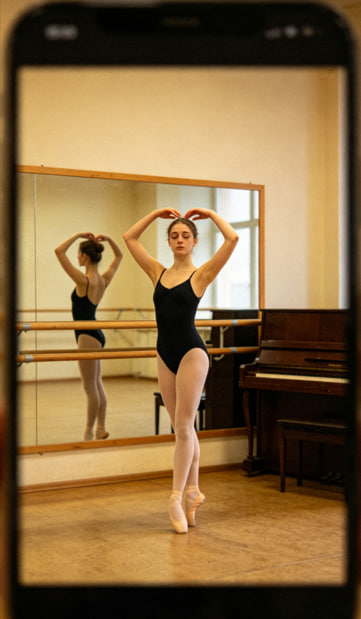
The Video: Discipline Made Visible
The video opens with Svetlana at the barre, running through a series of pliés. Her movements are slow, almost meditative. Each bend of the knees is measured, controlled, as if she is testing the floor beneath her. The rehearsal pianist plays a simple chord progression – nothing dramatic, just a skeleton of the music that will eventually fill a theatre. Svetlana’s face is calm, but her eyes are intense, tracking her own reflection in the mirror.
At 1:23, she moves to the centre of the floor. She begins the Giselle variation – the one where the peasant girl, already heartbroken, dances alone in the forest. The choreography is deceptively simple: a series of bourrées, small steps that make her glide across the floor like a ghost. But in the rehearsal clip, there is no ghostliness. There is only effort. I can see the muscles in her calves straining. I can see her jaw clenched in concentration. Her arms, which should float like willow branches, occasionally shake from fatigue.
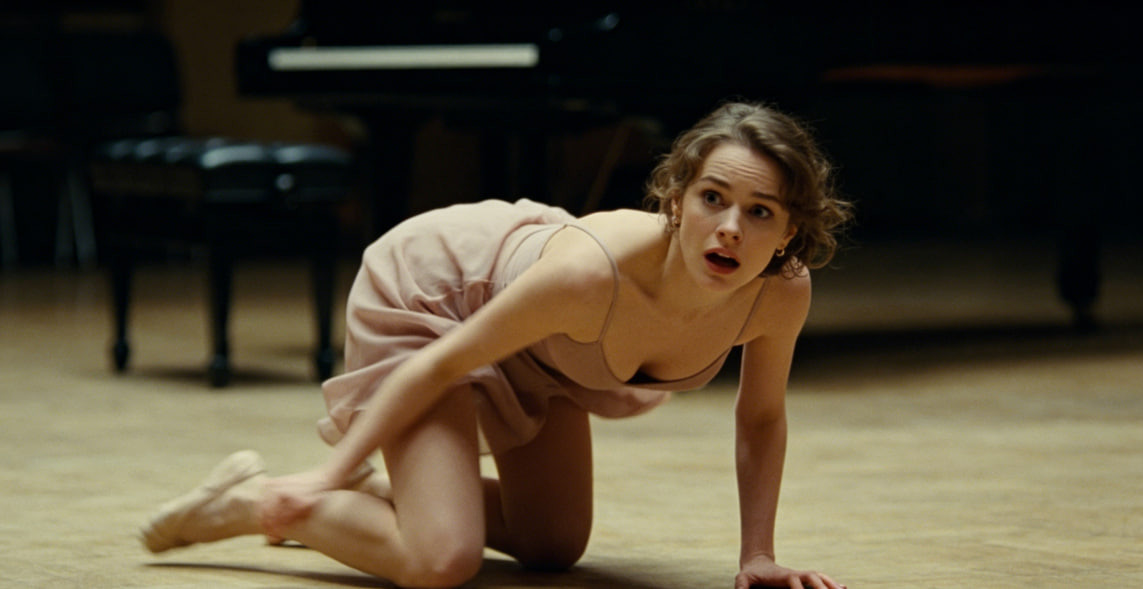
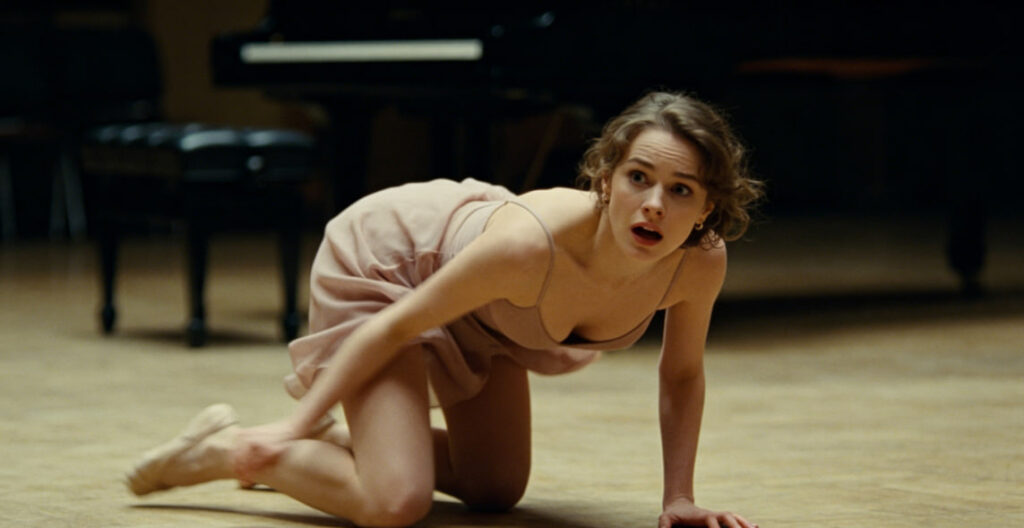
What strikes me most is her fall. At 2:47, she attempts a sequence of fouettés – the famous whipping turns that test a ballerina’s balance. On the third turn, her supporting foot slips on a patch of rosin dust. She stumbles, catches herself on one hand, and lands on her knee. The pianist stops. For a moment, the room is silent. Then Svetlana lets out a short, sharp breath – not a sigh of frustration, but a reset. She stands up, brushes off her tutu, and says to the pianist: “From the beginning, please.” The piano starts again. She dances the entire variation from the top, this time without falling.
This moment – the fall and the immediate recovery – is why I keep watching. In a finished performance, the audience never sees the mistakes. They see the seamless illusion of effortlessness. But in this rehearsal video, I see the truth: that ballet is not about never falling. It is about rising every single time.
The Architecture of a Ballerina’s Body
Ballet demands a body that seems to defy physics. The turned‑out hips, the straight spine, the arched feet – none of this comes naturally. It is built over years of repetition, pain, and correction. I remember reading that a professional ballerina spends more than half her waking hours in some form of training or rehearsal. Her feet are a map of injuries: blisters, bunions, stress fractures, taped toes. Her knees, hips, and lower back carry the weight of thousands of landings. And yet, when she dances, all of this disappears. We see only lightness.
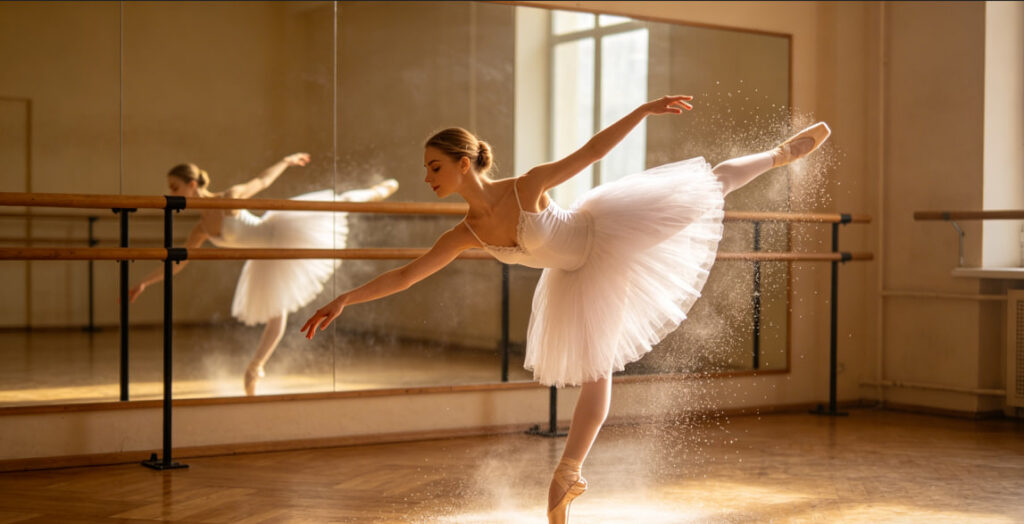
Watching Svetlana’s video, I find myself thinking about the word arabesque – one of the most iconic positions in ballet, where the dancer stands on one leg and extends the other behind her, arms reaching forward like a ship’s prow. In the video, she holds an arabesque for what feels like an eternity. Her standing leg straightens until it is a pillar. Her lifted leg rises higher, inch by inch, until her foot is level with her hip. Her torso remains still, her gaze forward. The position is both strong and fragile, like a drawn bow before the arrow is released.
The pianist holds a chord. Svetlana breathes out. Then she lowers the leg, not with a crash but with the same slow control as a falling leaf. This is the paradox of ballet: the dancer must be both steel and silk. The muscles must be powerful enough to lift and hold, but the expression must be soft, lyrical, almost vulnerable. In Svetlana’s face, I see that duality. Her eyes are hard with determination. Her mouth is soft, almost sad. She is playing a peasant girl, but she is also being herself – a young woman who has sacrificed comfort, social life, and physical ease for the chance to stand on a stage.
Personal Reflections: My Grandmother’s Ballet Slippers
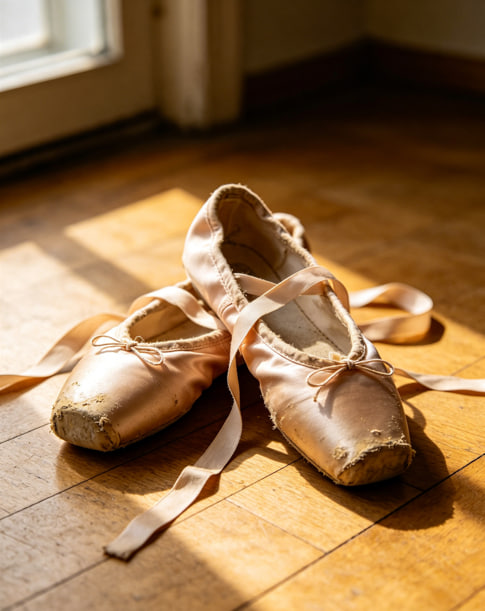
Watching Svetlana dance, I am transported back to my grandmother’s attic. When I was a child, I found a pair of satin ballet slippers in an old trunk – pink, frayed, the ribbons yellowed with age. My grandmother, then in her seventies, told me she had worn them when she was sixteen, before a war interrupted her life. She had dreamed of joining a ballet company, she said. She had practiced for hours in her bedroom, pretending the floorboards were a stage. But then her father lost his job, the family moved to a smaller town with no dance teacher, and the dream faded.
She never became a ballerina. But she kept the slippers. For sixty years, they sat in that trunk, a monument to a path not taken. When I asked her if she regretted it, she was quiet for a long time. “I regret not trying harder,” she finally said. “I let fear stop me. Fear of looking foolish. Fear of failing in public.” Then she looked at the slippers and smiled. “But I still danced. In my kitchen, when no one was watching. That was something.”
Svetlana’s video reminds me of my grandmother’s slippers. The girl in the rehearsal clip is not famous. She may never be famous. But she is trying. She is falling and getting up. She is showing up to an empty studio day after day, working on the same five minutes of choreography until her muscles memorize it. That act – the act of persistent, unglamorous effort – is its own kind of success. My grandmother understood that. So does Svetlana.
The Music and the Silence
Halfway through the rehearsal video, the pianist takes a break. Svetlana continues dancing in silence. For thirty seconds, there is no sound except her pointe shoes tapping the floor and her breath. This silent passage is my favourite part. Without music, I see the dance differently. I notice the rhythm she creates herself – the way she counts in her head, the way her breathing syncopates with her movements. I notice the small sounds: the squeak of her shoes, the rustle of her tutu, the distant hum of the studio’s heating system.
Silence in ballet is rare. Most performances are drenched in Tchaikovsky or Prokofiev, the music sweeping the dancer along like a current. But in the silence of a rehearsal, the dancer becomes her own orchestra. She must generate the music from within – the tempo, the dynamics, the emotional arc. Watching Svetlana dance without accompaniment, I feel like I am seeing the skeleton of the art form. The muscles and bones of ballet, exposed.
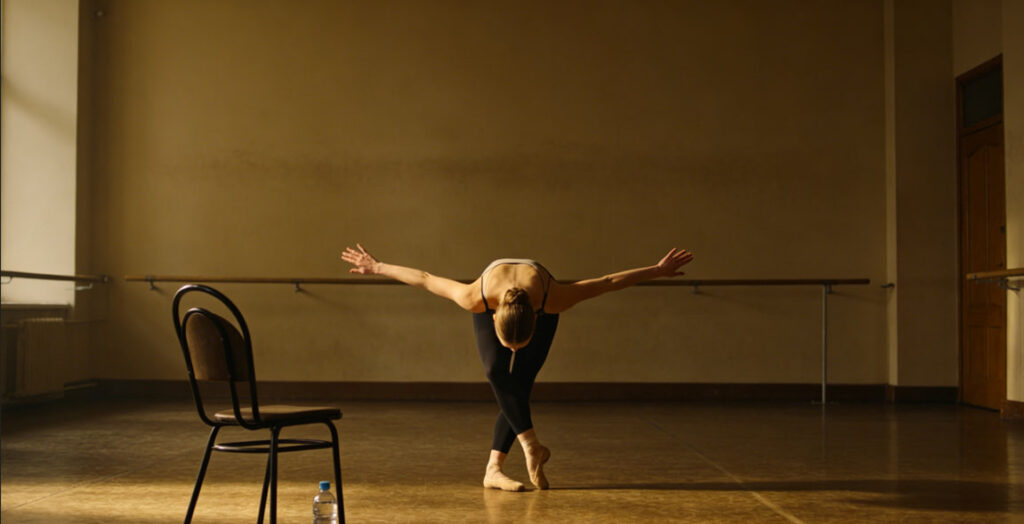
When the pianist returns and plays the final chord of the variation, Svetlana finishes in a deep révérence – a bow that is also a thank‑you. She looks at the floor, then up at the empty chairs where an audience would sit. Her chest heaves. A strand of hair sticks to her cheek. She does not smile. She simply holds the pose, acknowledging the invisible crowd. Then she walks off camera to get a drink of water. The video ends.
Why Ballet Still Matters
In an age of viral dances and fifteen‑second routines, ballet can seem archaic – a relic of royal courts and ornate theatres. But watching Svetlana’s rehearsal, I am convinced that ballet matters more than ever. It matters because it teaches us something that social media often obscures: that mastery takes years. That beauty is built on a foundation of failure. That the most graceful moments are earned through the ugliest struggles.
Ballet is also a language without words. Svetlana’s Giselle tells a story of love, betrayal, and madness, but she never speaks a line. She communicates entirely through posture, gesture, and the quality of her movement. When she reaches out her hand, we understand longing. When she falls to her knees, we understand despair. When she rises again, we understand hope. In a world flooded with text and noise, ballet offers a return to pure feeling.
Learning to See
Before I discovered this rehearsal video, I thought I understood ballet. I had seen The Nutcracker on television. I knew the basic positions. But I did not understand the cost – the hours, the pain, the endless repetition. Now, when I watch a professional ballerina perform, I see the hidden rehearsal behind it. I imagine the falls that never made it to the stage. I imagine the tired mornings and the taped toes. And I am filled with a deep respect, not just for the dancer, but for the dream itself.
Last night, after watching Svetlana’s video for the twenty‑first time, I stood up from my desk and tried a plié. My knees cracked. My heels refused to stay on the floor. I looked ridiculous. But for five seconds, I felt a connection – not to ballet, but to the idea of discipline. To the idea that a person can choose to work at something, every day, without guarantee of reward. That is the lesson Svetlana teaches. That is the lesson my grandmother’s slippers whisper from the attic.
Conclusion: The Dance Continues
Svetlana is still dancing, I assume. She is probably in some studio right now, running the same variation, correcting the same mistake, falling and getting up. She may never become a principal dancer. Her name may never appear on a playbill. But she has already achieved something extraordinary: she has refused to stop. In a culture that worships overnight success, that is a quiet revolution.
The next time you watch a ballet – whether live, on video, or in a grainy rehearsal clip – try to see past the grace. Look for the effort. Look for the fall that almost happened, the recovery that did. And remember that every perfect arabesque is built on a thousand imperfect ones. That is the geometry of grace. That is the truth of ballet.
End of article.
Note: To complete this post, insert 3–4 images matching the descriptions in brackets. Suggested sources: royalty‑free ballet photography (e.g., Pexels, Unsplash) or stills from rehearsal videos in the public domain. Svetlana is a fictional character created for this article; any resemblance to real persons is coincidental.