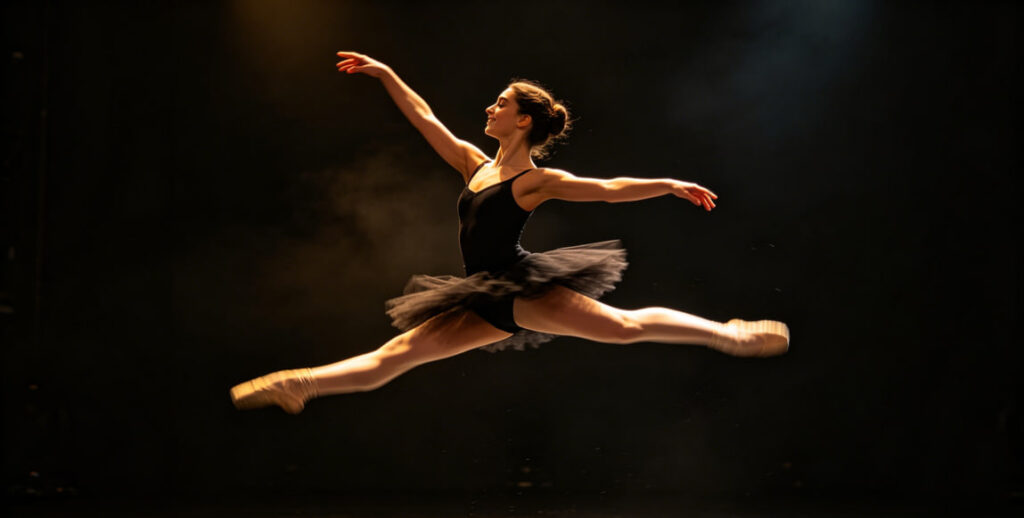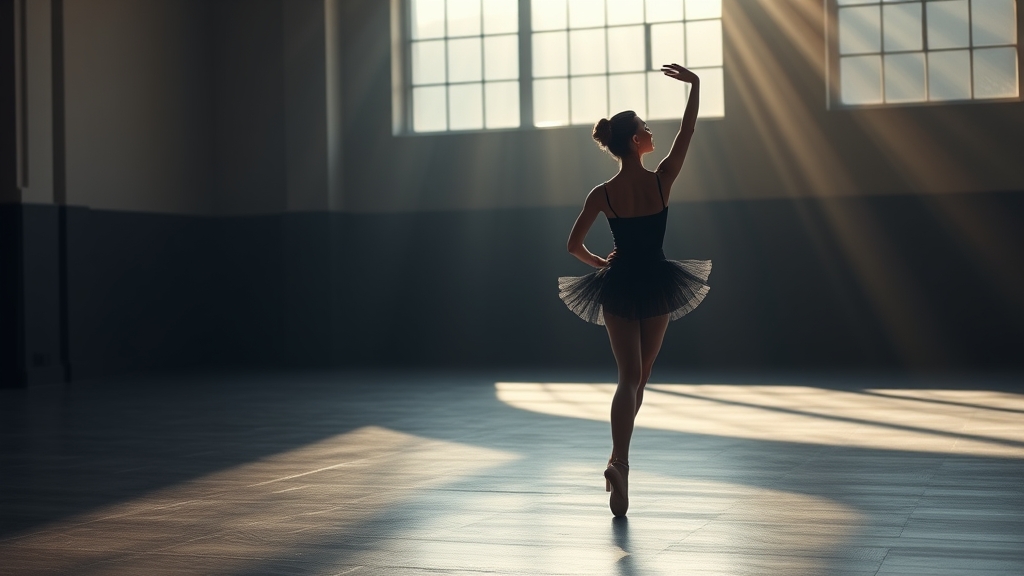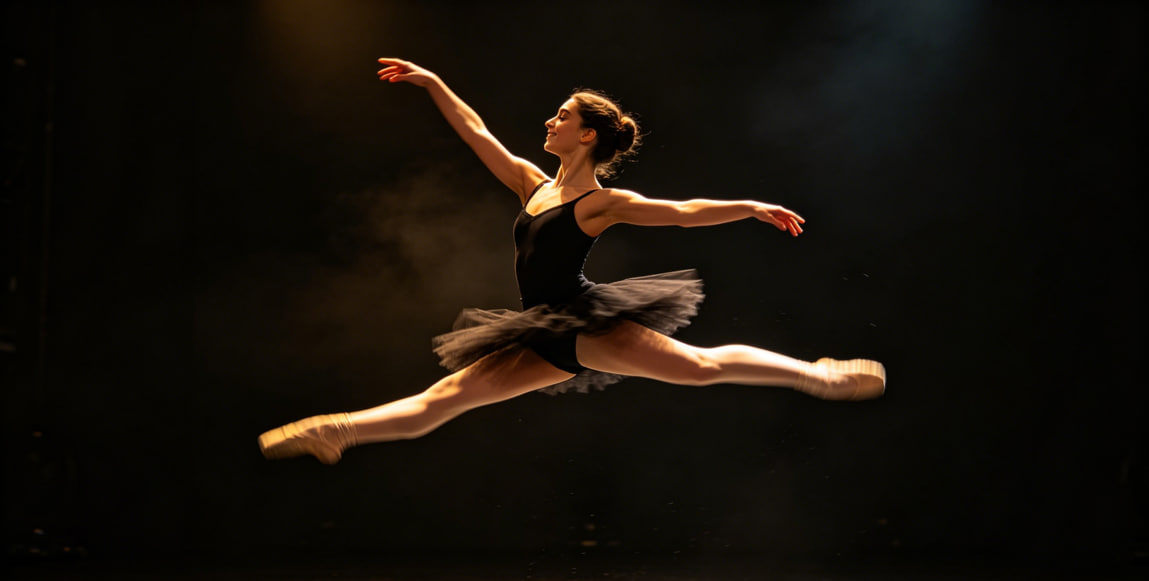
She is nineteen years old, and her name is Elena. She wakes up at 5:47 every morning – not because an alarm forces her, but because her body has learned to anticipate the day. Before the sun touches her window, she is already stretching on a blue yoga mat in her tiny studio apartment. The floor is scuffed from a thousand pirouettes. A single ballet shoe hangs from a hook on the wall, the other one lost somewhere under the bed. This is the geography of a dancer’s dream: cramped, worn, and impossibly beautiful.
I met Elena through a short documentary video titled “To Dance on Broken Floors”. The film follows six months of her life as she auditions for a contemporary dance company, works a night shift at a grocery store, and fights to keep her body from falling apart. After watching it, I could not stop thinking about her. Not because she was the best dancer in the film – she wasn’t, not yet – but because her dream was so fierce that it seemed to burn through the screen. This article is about Elena, and about every girl who has ever looked in a mirror and seen not who she is, but who she is becoming.
The Beginning of the Dream
Elena started dancing at six. Her mother, a seamstress who worked twelve‑hour days, saved for months to afford a secondhand leotard and a pair of pink canvas slippers. The first class was in a church basement that smelled of dust and old carpet. Elena remembers standing at the back, hiding behind a taller girl, terrified that someone would ask her to move. Then the teacher put on a piece of piano music – something slow, something sad – and asked the children to walk across the room like melting ice cream. Elena took a step. Then another. And somewhere between the third and fourth step, her fear disappeared.
“I realized that my body could say things my mouth couldn’t,” she told the documentary filmmaker. “I didn’t have words for how lonely I felt – my father had left that year, my mother was always tired – but when I moved, the loneliness turned into something else. It turned into shape. Into breath. Into a reason to keep going.”
By twelve, she was training six days a week. By fifteen, she had been rejected from three summer intensives. By seventeen, a doctor told her she had a stress fracture in her left foot and should stop dancing for at least four months. She stopped for two weeks, then returned in secret, wrapping her foot in tape and lying to her mother about the limp. This is the dark side of the dream – the one that does not appear in glossy recruitment videos. The pain. The sacrifice. The quiet, stubborn refusal to give up.
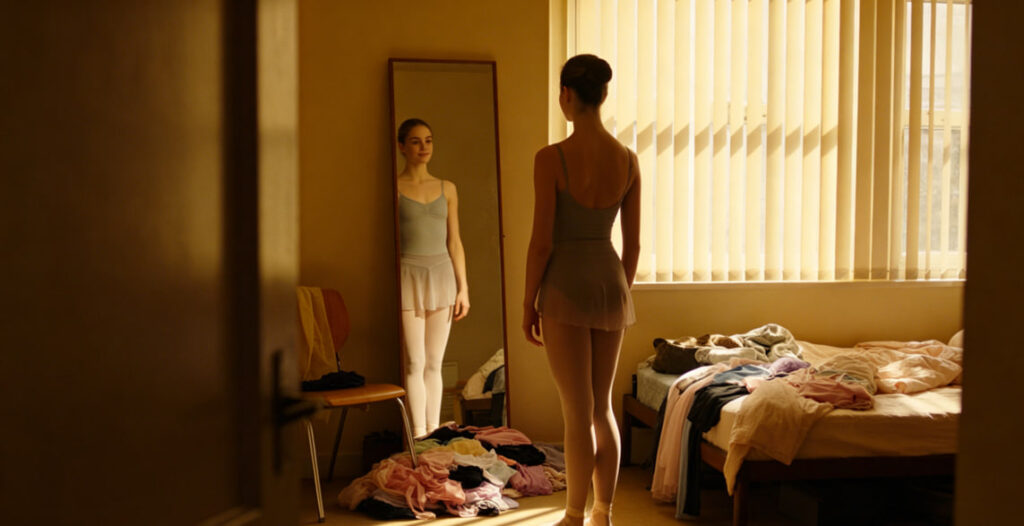
The Price of a Dream
The documentary shows Elena at her night job, stocking shelves in a fluorescent‑lit grocery store. She moves differently from the other workers – not faster, but more deliberately. When she reaches for a box on a high shelf, her arm extends in a clean line. When she bends to pick up a fallen can, her knees plié. She cannot help it. Dance has leaked into every gesture, like a language she can no longer stop speaking.
“People ask me if it’s worth it,” she says, sitting on a milk crate during her fifteen‑minute break. “I work thirty hours a week. I sleep five hours a night. My feet hurt constantly. I haven’t seen my friends in months. And I have no guarantee that any company will ever hire me.” She pauses, tears forming but not falling. “But when I dance – even just for five minutes in my apartment – I feel completely alive. That feeling is worth everything. If I stopped, I would be alive, but I wouldn’t be living.”
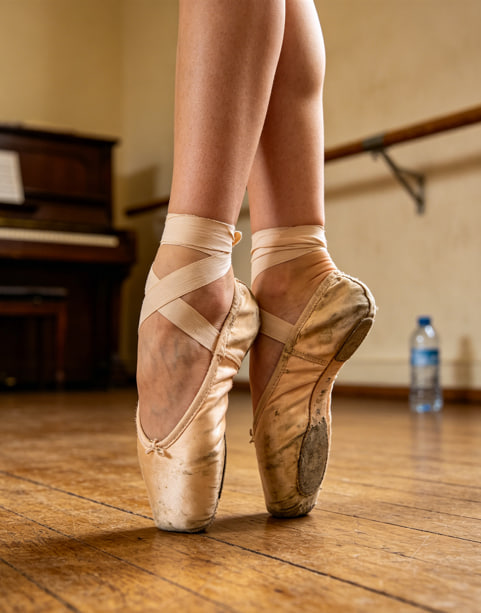
This is the paradox of the dance dream. It demands everything and promises nothing. Elena has auditioned for eleven companies. She has received eleven rejections. Each time, she comes home, changes into her practice clothes, and runs the same combination until her muscles scream. She has a notebook filled with corrections from teachers, crossed‑out goals, and small victories: “Finally held a triple pirouette – April 12.” “Didn’t cry after audition #7 – May 3.”
I think about my own abandoned dreams. When I was younger, I wanted to be a painter. I spent hours at an easel, mixing colours, trying to capture the way light fell on my grandmother’s face. But at some point, I decided I was not talented enough. I put down the brushes and never picked them up again. Watching Elena, I feel a strange mixture of admiration and envy. She has not put down her dream. Even when it hurts. Even when it seems foolish.
The Moment of Truth
The climax of the documentary is Elena’s twelfth audition. It is for a small contemporary company that rarely hires dancers without professional experience. She has prepared a solo – two minutes of movement set to a piece of music by Max Richter. For weeks, she has rehearsed in the grocery store aisles after closing, in the alley behind her apartment, on the rooftop when the weather was warm.
The audition takes place in a black box theatre. There are thirty‑two other dancers, most of them better trained, better dressed, more confident. Elena wears her usual: black leggings, a grey tank top, her hair in a messy bun. She watches the others perform and feels her stomach twist. When her name is called, she walks to the centre of the floor, closes her eyes, and breathes.
What happens next is not perfect. She wobbles in a turn. Her extension is not as high as she wanted. But something else happens – something the camera catches in close‑up. Her face, usually guarded, opens. For two minutes, she is not a tired grocery store clerk or a girl with a long list of rejections. She is pure motion, pure intention, pure hope. When the music ends, she stands still, breathing hard. The room is silent for a moment. Then someone in the back – maybe another dancer, maybe a member of the panel – starts clapping. Others join.
She does not get the job. Not that time. But the artistic director pulls her aside afterward and says: “Come to our open class next month. We want to see you again.”
For Elena, that is enough. That is everything.
What the Dream Really Means
I have thought a great deal about what Elena’s dream means – not just to her, but to all of us who watch from the outside. We are used to stories about dreams that end in triumph: the underdog who wins the competition, the girl who becomes a principal dancer, the star who gets discovered in a diner. But Elena’s story is different. She may never join a famous company. She may never dance on a major stage. Her dream, viewed objectively, might seem like a long, painful road to an ordinary life.
And yet.
I remember something she says near the end of the documentary. The filmmaker asks: “What if you never make it?” Elena thinks for a long time. Then she smiles – not a fake smile, but a tired, real one. “Then I will still have danced,” she says. “I will have spent my twenties moving to music in small rooms. I will have made friends who understand what it means to fall and get up again. I will have a body that knows how to express joy, even when my heart is breaking. That is not failure. That is a life.”
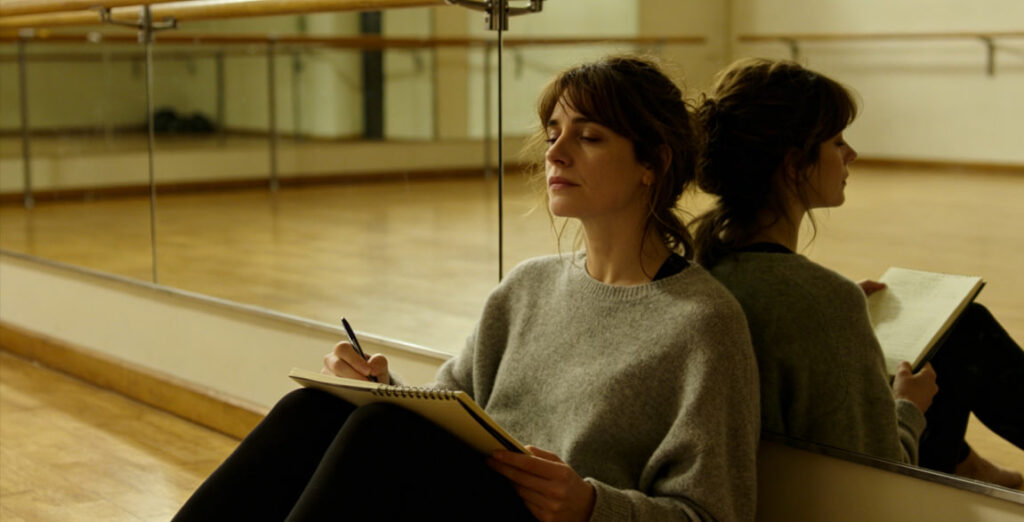
This is the truth that the dance dream teaches. The goal is not the contract, the applause, or the title. The goal is the dancing itself – the thousands of hours of practice, the small improvements, the moments of flow when time disappears. Elena may never become a famous dancer. But she has already become something rarer: a person who refuses to abandon what makes her feel alive.
Dancing in the Living Room
After watching the documentary, I did something I rarely do. I stood up from my couch, pushed the coffee table aside, and put on a song – not a dance track, just something with a beat. Then I moved. Not well. Not gracefully. My arms were stiff, my feet clumsy, and I had no idea what I was doing. But for three minutes, I felt a echo of what Elena feels every day: the simple, electric pleasure of a body in motion.
I am not a dancer. I will never be a dancer. But Elena’s dream gave me permission to try. It reminded me that dreams are not just about outcomes. They are about the person you become while reaching for them. The discipline. The resilience. The willingness to look foolish in front of strangers. Those qualities do not disappear if the dream changes shape. They become part of you, forever.
Conclusion: A Letter to Every Dancing Girl
If you are a girl who dances – in a studio, in your bedroom, in the parking lot of a grocery store – I want you to know something. Your dream matters, even if no one is watching. It matters on the days when your body hurts and you want to quit. It matters when you are rejected, overlooked, told that you are not good enough. It matters because it is yours. And every time you move, you add another line to a story that only you can write.
Elena still dances. She still works the night shift. She still auditions, still gets rejected, still gets back up. She is not a star. But she is a dancer. And that, I have learned, is enough.