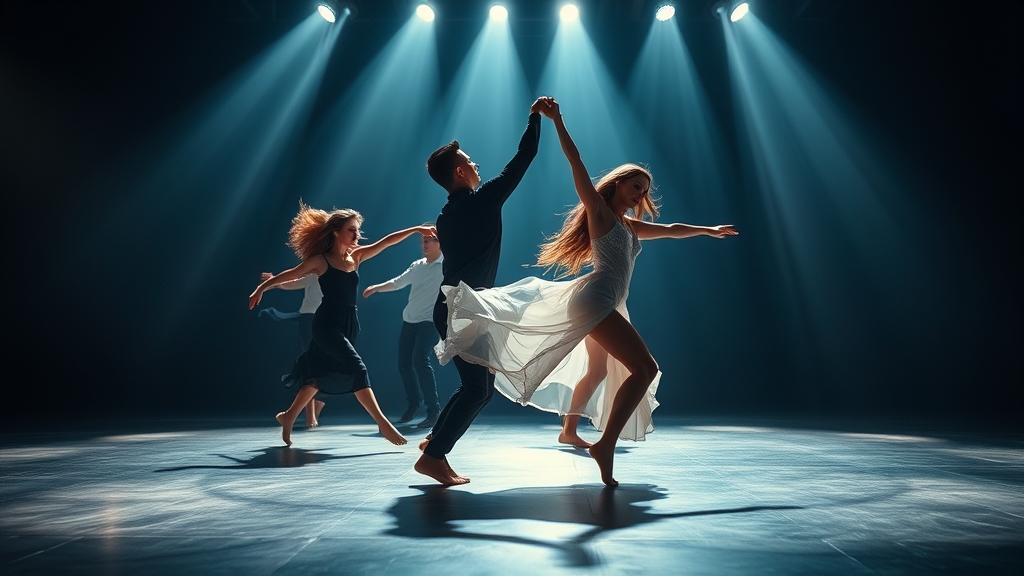
Unveiling the Vibrant World of Street Dance Culture
Street Dance Culture has become an integral part of our society, influencing not just the way we move but also the music we listen to and the fashion trends we follow. From its humble beginnings in the streets and clubs to its current status as a global phenomenon, Street Dance Culture has evolved significantly over the years. This blog post aims to delve into the depths of Street Dance Culture, exploring its history, various styles, and the impact it has on the world.
Introduction to Street Dance Culture
Street Dance Culture is more than just a form of dance; it’s a way of life. It encompasses a wide range of styles, including Hip-Hop, Breakdancing, Popping, Locking, and Krumping, among others. Each style has its unique history, technique, and cultural significance, contributing to the rich tapestry that is Street Dance Culture. The beauty of Street Dance Culture lies in its ability to bring people together, regardless of their backgrounds, ages, or socio-economic statuses. It provides a platform for self-expression, creativity, and social interaction, making it a vital part of modern society.
History of Street Dance Culture
The history of Street Dance Culture is as fascinating as it is complex. It originated in the 1970s in the streets of New York and Los Angeles, where African American and Latino youths would gather to dance and socialize. These early street dancers drew inspiration from various sources, including funk, soul, and jazz music, as well as the social and political climate of the time. Over the years, Street Dance Culture has evolved, influenced by technological advancements, globalization, and the rise of social media. Today, Street Dance Culture is a global phenomenon, with dancers from all over the world contributing to its growth and diversity.
Styles of Street Dance Culture
Street Dance Culture comprises a wide range of styles, each with its unique technique, history, and cultural significance. Some of the most popular styles include:
Hip-Hop
Hip-Hop is one of the most recognizable and influential styles within Street Dance Culture. It originated in the 1970s in the Bronx, New York, and is characterized by its energetic and athletic movements. Hip-Hop dance involves a lot of intricate footwork, rhythmic isolations, and dynamic movements, making it a challenging yet rewarding style to master. For those interested in learning more about Hip-Hop, checking out dance classes or watching tutorials online can be a great starting point.
Breakdancing
Breakdancing, also known as B-boying or B-girling, is another iconic style within Street Dance Culture. It involves intricate footwork, spinning, and flipping, requiring a great deal of strength, flexibility, and coordination. Breakdancing is not just a form of dance; it’s a culture that encompasses DJing, MCing, and graffiti art. For a deeper dive into the world of Breakdancing, exploring the history of DJing can provide valuable insights.
Popping and Locking
Popping and Locking are two closely related styles that originated in the 1960s and 1970s. Popping involves quick, sharp movements, while Locking involves freezing in place for a few seconds. Both styles require a great deal of control and precision, making them highly technical and expressive. Dancers often combine Popping and Locking with other styles, such as Hip-Hop or Breakdancing, to create unique and captivating performances.
Impact of Street Dance Culture
Street Dance Culture has had a profound impact on the world, influencing music, fashion, film, and social trends. It has provided a platform for underprivileged youths to express themselves and showcase their talents, often leading to career opportunities and personal growth. Street Dance Culture has also played a significant role in bridging cultural gaps, bringing people together from diverse backgrounds and promoting understanding and respect.
Music and Fashion
Street Dance Culture has had a significant influence on the music and fashion industries. Many popular music genres, such as Hip-Hop and Rap, have their roots in Street Dance Culture. Fashion trends, such as sneakers, streetwear, and athletic apparel, have also been influenced by Street Dance Culture. The rise of social media has further amplified the impact of Street Dance Culture on fashion, with dancers and influencers showcasing the latest trends and styles.
Film and Media
Street Dance Culture has been featured in numerous films, television shows, and documentaries, providing a platform for dancers to showcase their talents and share their stories. Movies like “Wild Style,” “Breakin’,” and “You Got Served” have helped to popularize Street Dance Culture, introducing it to a wider audience and inspiring a new generation of dancers.
Tips for Aspiring Street Dancers
For those interested in becoming a part of Street Dance Culture, here are a few tips:
Practice Regularly
Practice is key to mastering any style within Street Dance Culture. Find a local dance studio or join a dance crew to learn from experienced dancers and practice regularly.
Watch and Learn
Watch videos of professional dancers, attend workshops, and take classes to learn new techniques and stay up-to-date with the latest trends.
Be Creative
Street Dance Culture is all about self-expression and creativity. Don’t be afraid to try new things and experiment with different styles and techniques.
Conclusion
Street Dance Culture is a vibrant and dynamic phenomenon that continues to evolve and grow. It has had a profound impact on the world, influencing music, fashion, film, and social trends. Whether you’re a seasoned dancer or just starting out, Street Dance Culture has something to offer. By embracing its rich history, diverse styles, and creative expression, we can continue to celebrate and promote this unique and captivating culture.
Frequently Asked Questions
Q: What is Street Dance Culture?
A: Street Dance Culture refers to the various styles of dance that originated in the streets and clubs, including Hip-Hop, Breakdancing, Popping, Locking, and Krumping, among others. It encompasses not just the dance itself but also the music, fashion, and social trends associated with it.
Q: How can I learn Street Dance Culture?
A: You can learn Street Dance Culture by taking classes at a local dance studio, joining a dance crew, watching videos online, or attending workshops. It’s also important to practice regularly and be open to learning from others.
Q: What are the benefits of Street Dance Culture?
A: Street Dance Culture provides a platform for self-expression, creativity, and social interaction. It can also improve physical fitness, coordination, and confidence. Moreover, it offers a sense of community and belonging, bringing people together from diverse backgrounds and promoting understanding and respect.