Mastering the Art of Ballroom Dance Etiquette
As a dancer, mastering the techniques and movements of your chosen style is essential, but it’s equally important to understand the nuances of Ballroom Dance Etiquette. Ballroom Dance Etiquette is a set of guidelines that dictate how dancers should behave on and off the dance floor, ensuring a respectful and enjoyable experience for all participants. In this blog post, we’ll delve into the world of Ballroom Dance Etiquette, exploring its importance, key principles, and tips for dancers of all levels.
Introduction to Ballroom Dance Etiquette
Ballroom Dance Etiquette is not just about following rules; it’s about creating a positive and supportive environment that allows dancers to thrive. By understanding and adhering to these guidelines, dancers can build strong relationships with their partners, fellow dancers, and instructors, ultimately enhancing their overall dance experience. Ballroom Dance Etiquette encompasses various aspects, including dance floor etiquette, partner etiquette, and social etiquette. Whether you’re a beginner or an experienced dancer, familiarizing yourself with Ballroom Dance Etiquette is crucial for navigating the dance community with confidence and respect.
Understanding Dance Floor Etiquette
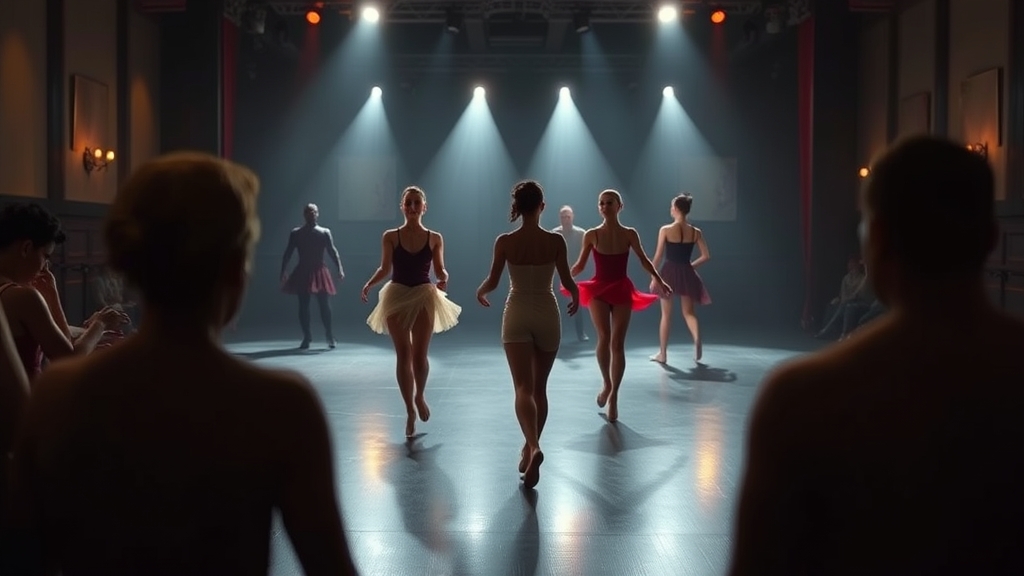
Dance floor etiquette is a critical component of Ballroom Dance Etiquette, as it ensures a safe and enjoyable experience for all dancers. One of the most important principles is to be aware of your surroundings and respect the space of other dancers. This includes avoiding collisions, not blocking the line of dance, and being mindful of your own movement and positioning. For example, in a Waltz, it’s essential to maintain a consistent tempo and follow the line of dance to avoid disrupting other couples. Additionally, dancers should always yield to the leader, allowing them to navigate the dance floor while maintaining a safe distance from other couples.
Line of Dance
The line of dance refers to the counterclockwise rotation of dancers around the dance floor. Understanding and following the line of dance is vital for maintaining a smooth and safe dance environment. Dancers should always move in a counterclockwise direction, with the leader guiding the follower. This not only helps prevent collisions but also creates a sense of harmony and cohesion among dancers. To master the line of dance, practice your movements and timing, and be aware of your position on the dance floor relative to other couples.
Floorcraft
Floorcraft is another essential aspect of dance floor etiquette, involving the ability to navigate the dance floor while avoiding collisions and maintaining a smooth flow of movement. This requires dancers to be aware of their surroundings, anticipate the movements of other couples, and adjust their own movement accordingly. By developing good floorcraft skills, dancers can enhance their overall dance experience, build confidence, and improve their partnership. For more information on floorcraft and dance technique, visit our blog for expert tips and advice.
Partner Etiquette in Ballroom Dance
Partner etiquette is a vital aspect of Ballroom Dance Etiquette, as it directly affects the quality of your dance experience and relationships with your partners. One of the most important principles is to respect your partner’s boundaries, comfort level, and dancing style. This includes being considerate of your partner’s physical limitations, avoiding excessive force or pressure, and maintaining a positive and supportive attitude. Effective communication is also crucial, as it enables dancers to discuss their needs, preferences, and goals, ultimately strengthening their partnership and improving their dance quality.
Communication and Feedback
Communication and feedback are essential components of partner etiquette, allowing dancers to share their thoughts, concerns, and suggestions with each other. By maintaining an open and honest dialogue, dancers can build trust, resolve issues, and enhance their overall dance experience. When providing feedback, it’s essential to be constructive, respectful, and specific, focusing on the behavior or action rather than making personal criticisms. For example, instead of saying “you’re doing it wrong,” say “I think we could improve our timing by focusing on the rhythm and phrasing.”
Leading and Following
Leading and following are fundamental aspects of partner etiquette, as they require dancers to work together in harmony. The leader is responsible for guiding the follower, providing clear and gentle cues, and maintaining a strong frame. The follower, on the other hand, should be receptive to the leader’s cues, maintaining a relaxed and responsive connection. By understanding and mastering the principles of leading and following, dancers can develop a deeper connection with their partners, improve their dance quality, and enhance their overall dance experience.
Social Etiquette in Ballroom Dance
Social etiquette is a vital aspect of Ballroom Dance Etiquette, as it involves interacting with other dancers, instructors, and members of the dance community. One of the most important principles is to be respectful, courteous, and considerate of others, regardless of their level, style, or background. This includes using proper greetings, introductions, and farewells, as well as being mindful of your body language and nonverbal communication. By demonstrating good social etiquette, dancers can build positive relationships, create a welcoming environment, and contribute to the growth and development of the dance community.
Dance Events and Competitions
Dance events and competitions are exciting opportunities for dancers to showcase their skills, connect with other dancers, and learn from experienced instructors. However, they also require a high level of social etiquette, as dancers interact with judges, organizers, and fellow competitors. By being respectful, punctual, and prepared, dancers can make a positive impression, build their reputation, and enhance their overall dance experience. For more information on dance events and competitions, visit our events page for upcoming dates, schedules, and registration details.
Online Communities and Forums
Online communities and forums are excellent resources for dancers to connect, share knowledge, and learn from others. However, they also require a high level of social etiquette, as dancers interact with others through digital platforms. By being respectful, considerate, and constructive, dancers can build positive relationships, contribute to meaningful discussions, and enhance their overall online experience. For more information on online communities and forums, visit our forum page for discussion topics, tips, and guidelines.
Conclusion
Ballroom Dance Etiquette is a vital aspect of the dance world, encompassing various aspects such as dance floor etiquette, partner etiquette, and social etiquette. By understanding and adhering to these guidelines, dancers can create a positive and supportive environment, build strong relationships, and enhance their overall dance experience. Whether you’re a beginner or an experienced dancer, mastering Ballroom Dance Etiquette is essential for navigating the dance community with confidence and respect. Remember to always be respectful, considerate, and mindful of your surroundings, and you’ll be well on your way to becoming a valued and respected member of the dance community.
Frequently Asked Questions
Here are three common questions related to Ballroom Dance Etiquette:
- What is the most important aspect of Ballroom Dance Etiquette?
The most important aspect of Ballroom Dance Etiquette is respect – respect for your partner, fellow dancers, instructors, and the dance community as a whole. By demonstrating respect and consideration, you can build positive relationships, create a welcoming environment, and enhance your overall dance experience. - How can I improve my dance floor etiquette?
To improve your dance floor etiquette, focus on being aware of your surroundings, respecting the line of dance, and developing good floorcraft skills. Practice your movements and timing, and be mindful of your position on the dance floor relative to other couples. By doing so, you can create a safe and enjoyable experience for all dancers. - What are some common mistakes to avoid in Ballroom Dance Etiquette?
Some common mistakes to avoid in Ballroom Dance Etiquette include being disrespectful or dismissive of others, failing to communicate effectively with your partner, and neglecting to follow basic dance floor etiquette guidelines. By being aware of these potential pitfalls, you can take steps to avoid them and create a positive and supportive environment for all dancers.