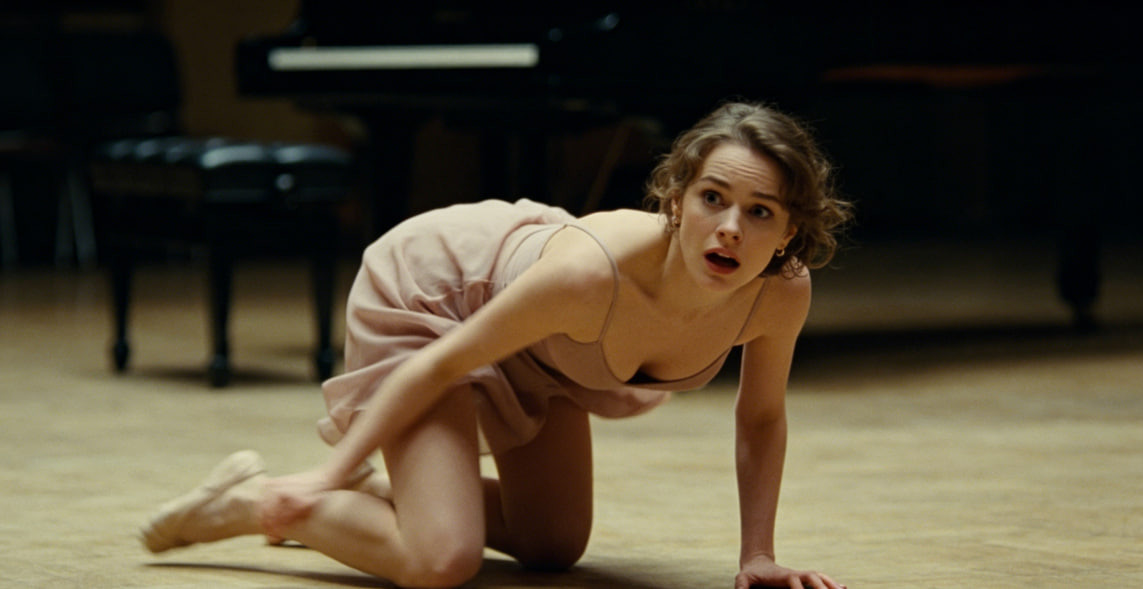
Adult Ballet Guide: A Comprehensive Resource for Beginners and Experienced Dancers
As a beginner or experienced dancer, navigating the world of ballet can be overwhelming, which is why we’ve created this Adult Ballet Guide to provide you with a comprehensive resource to help you improve your technique, learn new skills, and stay up-to-date with the latest trends and best practices in the industry. Whether you’re looking to start ballet classes for the first time or seeking to refine your existing skills, this Adult Ballet Guide will serve as your go-to reference, offering expert advice, tips, and insights into the world of ballet.
Ballet is a beautiful and elegant form of dance that has been a cornerstone of the performing arts for centuries. With its origins dating back to the Italian Renaissance, ballet has evolved over the years, influenced by various cultures and styles, resulting in the diverse and dynamic art form we know and love today. As an adult ballet dancer, you’ll have the opportunity to experience the many benefits of ballet, including improved flexibility, balance, and overall physical fitness, as well as the mental and emotional rewards that come with learning and mastering a new skill.
Getting Started with Adult Ballet
Before you begin your ballet journey, it’s essential to understand the basics of ballet and what to expect from your classes. In this section of our Adult Ballet Guide, we’ll cover the fundamental principles of ballet, including proper posture, alignment, and movement techniques. We’ll also discuss the different types of ballet classes available, such as beginner, intermediate, and advanced, and provide tips on how to choose the right class for your skill level and goals.
Understanding Ballet Techniques
Ballet techniques are the foundation of ballet, and mastering these techniques is crucial for improving your overall performance and reducing the risk of injury. Some of the key techniques you’ll learn in ballet class include proper turnout, which refers to the rotation of the legs and hips; alignment, which involves maintaining proper posture and positioning of the body; and movement quality, which encompasses the dynamics and expression of movement. As you progress in your ballet training, you’ll have the opportunity to learn more complex techniques, such as jumps, turns, and partnering.
In addition to mastering ballet techniques, it’s also important to understand the culture and history of ballet. Ballet has a rich and fascinating history, with roots in the royal courts of Europe and a legacy of famous choreographers, dancers, and composers. By learning about the history and culture of ballet, you’ll gain a deeper appreciation for the art form and a greater understanding of the context in which it was developed. You can learn more about the history of ballet and its evolution over time.
Choosing the Right Ballet Class
With so many different types of ballet classes available, it can be challenging to choose the right one for your needs and goals. In this section of our Adult Ballet Guide, we’ll provide tips and advice on how to select the perfect class, including factors to consider, such as your current skill level, goals, and schedule. We’ll also discuss the benefits of taking a beginner’s class, even if you have some prior experience with ballet, and provide guidance on how to find a qualified and experienced instructor.
Types of Ballet Classes
There are several types of ballet classes available, each with its own unique focus and approach. Some common types of ballet classes include:
- Beginner ballet classes, which are designed for students with little or no prior experience with ballet
- Intermediate ballet classes, which are geared towards students who have some experience with ballet and are looking to improve their technique and skills
- Advanced ballet classes, which are designed for experienced dancers who are looking to refine their technique and prepare for performances or auditions
- Pointe classes, which are specialized classes that focus on pointe work and are typically only available to advanced students
- Ballet fitness classes, which combine elements of ballet with fitness and exercise to provide a fun and challenging workout
When choosing a ballet class, it’s essential to consider your current skill level and goals. If you’re a beginner, look for a class that is specifically designed for beginners and focuses on teaching the fundamental principles of ballet. If you have some experience with ballet, consider taking an intermediate or advanced class to challenge yourself and improve your technique. You can also read more about ballet classes for adults and how to find the right one for you.
Tips for Adult Ballet Dancers
As an adult ballet dancer, you’ll face unique challenges and opportunities. In this section of our Adult Ballet Guide, we’ll provide tips and advice on how to get the most out of your ballet classes, including how to stay motivated, how to deal with injuries or setbacks, and how to balance your ballet training with other aspects of your life.
Staying Motivated and Inspired
Staying motivated and inspired is crucial for making progress in ballet and enjoying the many benefits that it has to offer. Here are a few tips for staying motivated and inspired:
- Set clear goals for yourself, such as mastering a new technique or performing in a recital
- Find a ballet buddy or community to support and encourage you
- Take class regularly and try to attend as many performances and workshops as possible
- Experiment with different types of ballet classes and styles to keep things interesting and prevent boredom
- Reward yourself for your progress and accomplishments, no matter how small they may seem
In addition to these tips, it’s also essential to take care of your physical and mental health. Ballet can be demanding, both physically and mentally, so it’s crucial to listen to your body and take regular breaks to rest and recover. You can learn more about injury prevention in ballet and how to stay safe and healthy while dancing.
Conclusion
In conclusion, our Adult Ballet Guide has provided you with a comprehensive resource to help you navigate the world of ballet and achieve your goals as an adult ballet dancer. Whether you’re a beginner or experienced dancer, we hope that you’ve found this guide informative, helpful, and inspiring. Remember to always stay motivated, be patient with yourself, and enjoy the many benefits and rewards that ballet has to offer.
Frequently Asked Questions
Here are three common questions related to the Adult Ballet Guide:
- What is the best way to get started with adult ballet?
The best way to get started with adult ballet is to find a qualified and experienced instructor who can teach you the fundamental principles of ballet and provide guidance and support as you progress in your training. Look for a beginner’s class that focuses on teaching proper technique and alignment, and be patient with yourself as you learn and grow. - How often should I take ballet class to see improvement?
The frequency of ballet classes will depend on your individual goals and schedule. As a general rule, it’s recommended to take class at least 2-3 times per week to see significant improvement and progress. However, even taking class once a week can be beneficial and help you to stay motivated and inspired. - What are some common mistakes that adult ballet dancers make, and how can I avoid them?
Some common mistakes that adult ballet dancers make include poor posture and alignment, inadequate warm-up and cool-down routines, and overexertion or pushing themselves too hard. To avoid these mistakes, be sure to listen to your body and take regular breaks to rest and recover. It’s also essential to focus on proper technique and alignment, and to seek guidance and feedback from your instructor or other experienced dancers.