
In the galaxy of animation art, Hayao Miyazaki is undoubtedly the brightest star. As the core founder of Studio Ghibli, he uses a single brush to blend fantasy and humanistic thinking into every frame, and with gentle and delicate narration, he crosses ages and national borders, healing the hearts of generations. His works are more than just animations; they are spiritual harbors filled with natural philosophy, the courage to grow, and the warmth of human nature. In the purity of hand-drawn art and the melody of soundtracks, they tell the most touching poems of life. Miyazaki’s creations are never just “beautiful”; they are more about “warmth”. He uses a seemingly fantasy story shell to wrap the simplest truths of life, allowing every viewer to find their own shadow and gain spiritual comfort and strength.
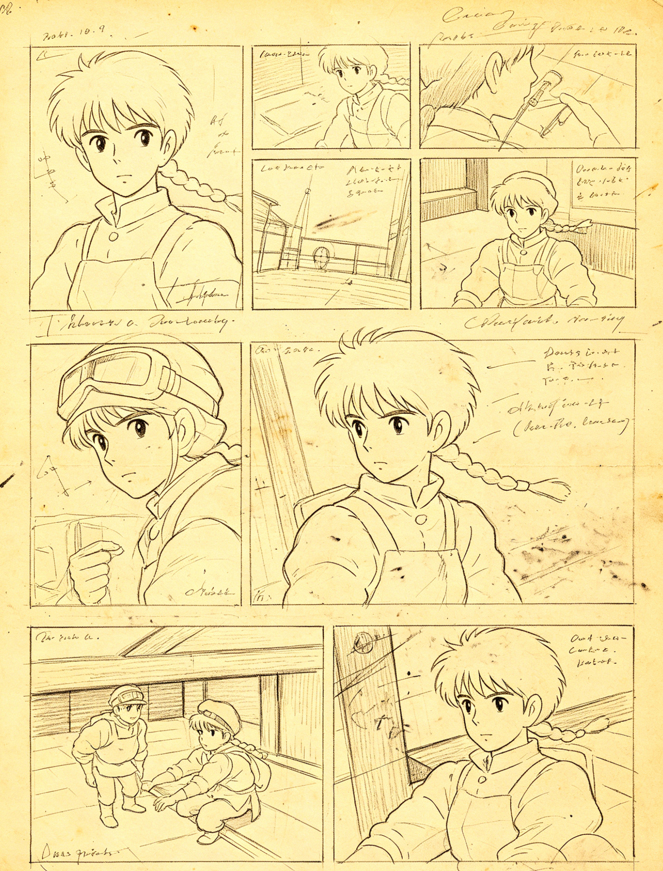
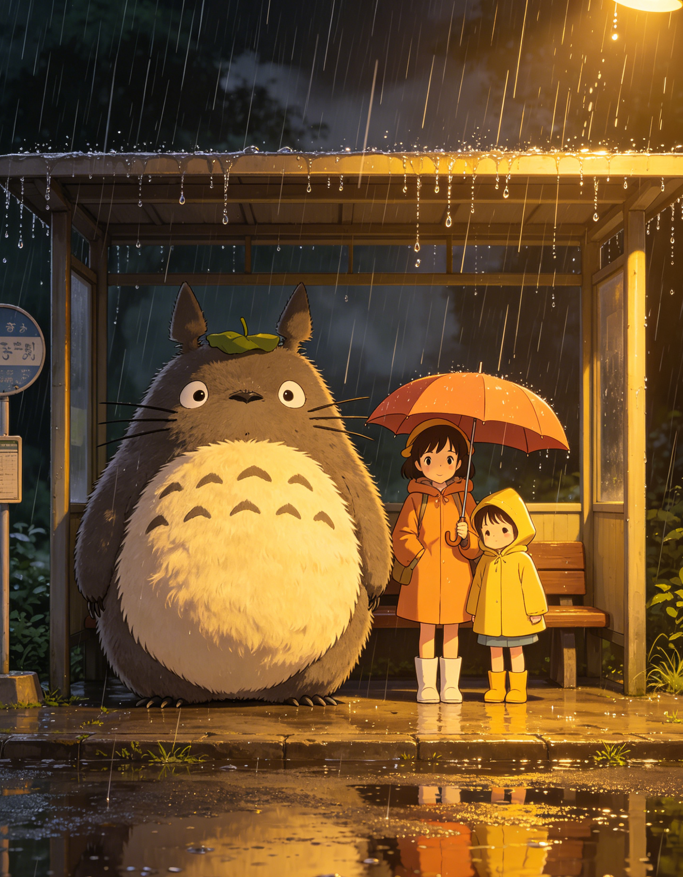
Miyazaki’s animations are a hymn to the coexistence of nature and humanity. He has always adhered to the craftsmanship of hand-drawn 2D animation, often spending a week on a 5-second shot, using fresh and beautiful images to outline the charm and vitality of nature. In “My Neighbor Totoro”, the lush rural fields and towering ancient camphor trees lay out a picture of harmonious coexistence between humans and nature with bright green. Totoro’s gentle guardianship turns the forest into a living companion, reminding people to regain their reverence and love for nature. Every detail, from the swaying reeds and dripping raindrops to the afternoon sun, is full of life, as if one can smell the fragrance of the soil and feel the tranquility of the countryside. In “Nausicaä of the Valley of the Wind”, Nausicaä seeks vitality in the toxic jungle, resolving conflicts between humans and nature with kindness and conveying a profound call for environmental protection. The delicate creature designs and light and shadow use fully show the fragility and tenacity of nature. Miyazaki once said that nature is humanity’s mother. In his works, there is never the conquest of nature, only reverence and gratitude for it. This concept flows quietly in every work, reminding people to cherish the beauty in front of them.
In addition to “My Neighbor Totoro” and “Nausicaä of the Valley of the Wind”, “Princess Mononoke” pushes the collision between nature and humanity to the extreme. In the film, the spirits of the forest stand in sharp opposition to human greed. The mystery and majesty of the Shishigami (Forest Spirit) and the wildness and kindness of Princess Mononoke all tell of nature’s inviolability. When humans recklessly destroy the forest and harm living beings to mine ore and expand their territory, nature’s revenge follows — flash floods and plagues spread. Every scene is shocking and thought-provoking. Miyazaki does not deliberately criticize human greed, but uses delicate brushstrokes to show the complexity of human nature: humans have both longing for a better life and selfish and greedy sides; nature has both a gentle and tolerant side and an inviolable bottom line. The ending of the film has no absolute victory or defeat, but achieves a delicate balance, reminding people that only when humans and nature coexist harmoniously can they develop for a long time. This profound environmental philosophy transcends the limitations of the times and still has strong practical significance today.
In addition to “My Neighbor Totoro” and “Nausicaä of the Valley of the Wind”, “Princess Mononoke” pushes the collision between nature and humanity to the extreme. In the film, the spirits of the forest stand in sharp opposition to human greed. The mystery and majesty of the Shishigami (Forest Spirit) and the wildness and kindness of Princess Mononoke all tell of nature’s inviolability. When humans recklessly destroy the forest and harm living beings to mine ore and expand their territory, nature’s revenge follows — flash floods and plagues spread. Every scene is shocking and thought-provoking. Miyazaki does not deliberately criticize human greed, but uses delicate brushstrokes to show the complexity of human nature: humans have both longing for a better life and selfish and greedy sides; nature has both a gentle and tolerant side and an inviolable bottom line. The ending of the film has no absolute victory or defeat, but achieves a delicate balance, reminding people that only when humans and nature coexist harmoniously can they develop for a long time. This profound environmental philosophy transcends the limitations of the times and still has strong practical significance today.
In his stories, there is no absolute opposition between good and evil, only the complexity of human nature and the transformation of growth. In “Spirited Away”, Chihiro transforms from a timid and ignorant little girl into someone who learns to persist and take responsibility after going through hardships in the fantasy world. No-Face’s loneliness and redemption, and Haku’s search for his identity all hide profound explorations of self and human nature. The prosperity and fireworks of the bathhouse stand in sharp contrast to the quiet natural scenery, showing both the price of greed and interpreting the power of kindness. In Yubaba’s bathhouse, Chihiro goes from being at a loss and cowardly at first to taking the initiative to take responsibility and help others. Her growth is a microcosm of every ordinary person’s growth — we all feel confused in unfamiliar environments and shrink back in the face of setbacks, but as long as we have kindness and stick to our original intentions, we can find our own direction. The image of No-Face is even more deeply rooted in people’s hearts. He was originally kind and simple, but he lost himself in the complex environment, currying favor with others with money and material things, and eventually became greedy and distorted. Chihiro’s kindness and sincerity finally pulled him back from the darkness, which also tells us that kindness is never weakness, but the power to heal everything.
In “Howl’s Moving Castle”, Sophie breaks the shackles of age and heals Howl’s loneliness with love. The Gothic steampunk-style moving castle is both a fantasy and a metaphor for human nature. Every corner of the castle hides Howl’s worries — he is afraid of being restrained and taking responsibility, so he wraps himself in magic, hides in the moving castle, and dare not face his true self. After being turned into an old woman by the Witch of the Waste, Sophie does not complain about herself, but learns to face the hardships of life calmly. With gentleness and perseverance, she gradually melts Howl’s cold heart, making him learn to bravely face his responsibilities and his true self. In the film, love is no longer a vigorous oath, but a long-flowing companionship and redemption. The love between Sophie and Howl tells us that true love is to accept each other’s imperfections, to achieve each other and grow together. In addition, Kiki in “Kiki’s Delivery Service” is also a typical representative of growth. She leaves her hometown, comes to a strange city alone to learn to live independently, and finally finds her own value and learns to be strong and brave after experiencing setbacks and confusion.
Joe Hisaishi’s soundtrack and Miyazaki’s images form an inseparable healing community. From the melodious and ethereal “Castle in the Sky” to the gentle and lively “My Neighbor Totoro”, every melody blends perfectly with the plot and becomes the soul of the work. In “Castle in the Sky”, the floating castle coexists with towering trees, warning of the danger of over-reliance on technology and embodying the yearning for peace and freedom. When the soundtrack plays, the longing for the unknown and the reverence for nature arise spontaneously. Whenever the main theme of “Castle in the Sky” sounds, it is as if one can see Laputa floating in the clouds and the robots guarding this pure land. That purity and beauty make people forget the troubles of the world in an instant. The soundtrack “Always With Me” in “Spirited Away” is gentle and healing. When the melody plays, it is as if one can feel the bond between Chihiro and Haku, and the warmth and strength on the road of growth. Joe Hisaishi’s soundtrack has no gorgeous decorations, but it can touch people’s hearts directly, complementing Miyazaki’s images and making each work more appealing, becoming a youth memory for a generation.
Miyazaki’s creations have always maintained a commitment to innocence. He believes that innocence is not childishness, but keeping curiosity and love for the world, and maintaining the purity and kindness in one’s heart. In his works, children are always full of curiosity and courage. They dare to explore the unknown, dare to stick to their beliefs, and never give up easily in the face of difficulties and setbacks. The two sisters in “My Neighbor Totoro” look at the world with innocent eyes, become friends with Totoro, and find beauty in ordinary life; Kiki in “Kiki’s Delivery Service” goes out into the world alone with innocence and courage, winning the love of others with kindness and sincerity. This commitment to innocence also allows Miyazaki’s works to cross the boundaries of age. Both children and adults can feel the pure beauty in them and regain the innocence and love in their hearts.
Miyazaki’s animations have always been fairy tales written for everyone. They hide the pure fantasies of children and the gentle redemption of adults; they not only accuse war and call for environmental protection, but also praise love and freedom. Those vivid characters, beautiful images and profound philosophies, after years of precipitation, can still touch the softest corner of people’s hearts. His works have no intense conflicts or gorgeous special effects, but use the simplest narration and the most delicate emotions to heal everyone who struggles in life. In this fast-paced era full of impetuosity and anxiety, Miyazaki’s animations are like a pure land, allowing us to calm down, feel the beauty of life, and regain inner peace and strength.
With a single brush and a lifetime of persistence, Miyazaki tells us through animation: keep a childlike heart, hold kindness in your heart, and nature will have warmth and human nature will have light. His works are like a ray of light, illuminating our way forward, and allowing us to find a long-lost warmth and peace in the impetuous world. Miyazaki’s animations are not only the pinnacle of animation art, but also a spiritual inheritance. They convey love, kindness and courage, reminding us that no matter how difficult life is, we must keep our love for the world and stick to the beauty in our hearts, because there is always a warmth waiting for us not far away.
Related Posts

Orcinulla Pellentesque Dignissim Enim Venenatis
Lorem ipsum dolor sit amet, consectetur adipiscing elit, sed do eiusmod tempor incididunt ut labore…

Crafting Engaging Audio Experiences
Dive into the world of podcasting and its impact on modern storytelling. A wonderful tranquility…

Don warns against AI abuse, seeks ethical safeguards
“Despite the innovative and important contributions of AI to environmental monitoring, research and teaching, the…

