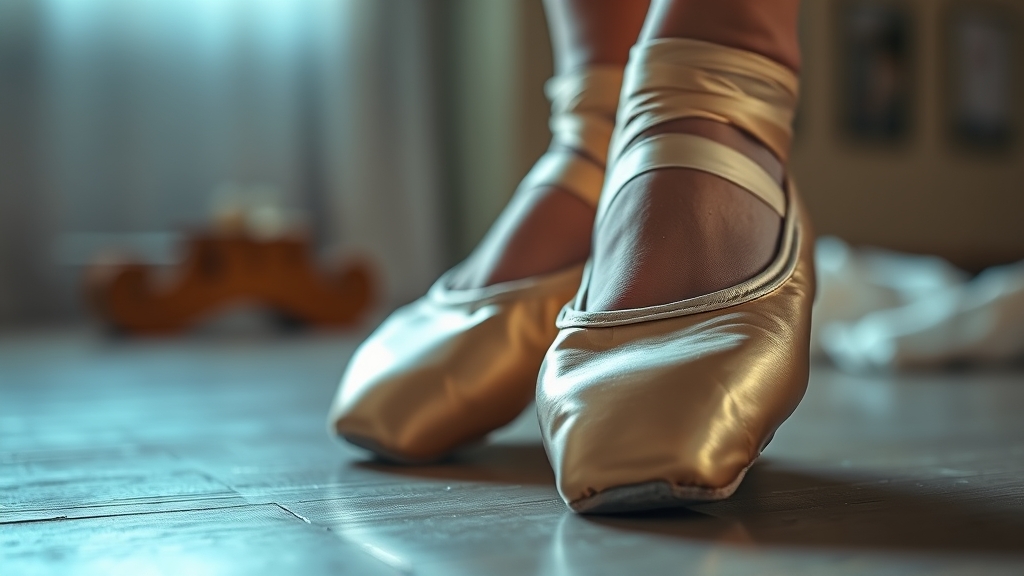
Understanding Turnout: The Key to Perfect Dance Technique
Understanding Turnout: Anatomical Limits and Healthy Progress is a crucial aspect of dance technique that requires careful attention to detail and a deep understanding of the human body. When executed correctly, turnout can elevate a dancer’s performance, making their movements appear more fluid, elegant, and powerful. However, when done improperly, it can lead to injuries and hinder progress. In this blog post, we will delve into the world of turnout, exploring its anatomical limits and the importance of healthy progress in achieving this fundamental dance principle.
Introduction to Turnout
Turnout is the rotation of the legs and hips in a outward direction, away from the midline of the body. This movement is essential in various dance styles, including ballet, contemporary, and hip hop. Understanding Turnout: Anatomical Limits and Healthy Progress is vital for dancers of all levels, as it allows them to execute movements with precision, control, and beauty. The key to achieving proper turnout lies in the understanding of the body’s anatomical structure and the limitations that come with it.
The Anatomical Structure of the Hip Joint
The hip joint, also known as the coxofemoral joint, is a ball-and-socket joint that connects the femur (thigh bone) to the pelvis. The joint is surrounded by a group of muscles, including the gluteals, piriformis, and tensor fasciae latae, which work together to control the movement of the femur. The acetabulum, a cup-like structure in the pelvis, receives the head of the femur, allowing for a wide range of motion. However, the depth and shape of the acetabulum, as well as the length and orientation of the femoral neck, can vary from person to person, affecting the degree of turnout that can be achieved.
Factors Affecting Turnout
Understanding Turnout: Anatomical Limits and Healthy Progress requires consideration of several factors that can impact a dancer’s ability to achieve proper turnout. These include:
- Genetic predisposition: The shape and structure of the hip joint, as well as the length and orientation of the femoral neck, can be influenced by genetics.
- Muscle imbalances: Weak or overactive muscles in the hip and leg can affect the ability to maintain proper turnout.
- Flexibility and range of motion: Limited flexibility in the hip joint and surrounding muscles can restrict the degree of turnout that can be achieved.
- Technique and training: Proper training and technique are essential for developing healthy turnout habits and avoiding injuries.
Developing Healthy Turnout Habits
To develop healthy turnout habits, dancers should focus on building strength, flexibility, and control in the muscles surrounding the hip joint. This can be achieved through a combination of exercises, stretches, and dance-specific movements. For example, pilates exercises can help improve core strength and control, while foam rolling can aid in releasing tension in the muscles.
Common Mistakes to Avoid
When working on Understanding Turnout: Anatomical Limits and Healthy Progress, it’s essential to avoid common mistakes that can lead to injuries or poor technique. These include:
- Forcing turnout: Attempting to force the legs into a turned-out position can lead to strain on the muscles and joints.
- Ignoring proper alignment: Failing to maintain proper alignment of the legs, hips, and spine can put unnecessary stress on the joints and muscles.
- Neglecting strength and flexibility training: Failing to build strength and flexibility in the muscles surrounding the hip joint can lead to poor turnout and increased risk of injury.
The Importance of Cross-Training
Cross-training is essential for dancers looking to improve their turnout and overall dance technique. Activities such as yoga and strength training can help build strength, flexibility, and control, while also reducing the risk of injury. By incorporating cross-training into their routine, dancers can improve their overall dance technique and achieve a more consistent and healthy turnout.
Conclusion
Understanding Turnout: Anatomical Limits and Healthy Progress is a complex and multifaceted topic that requires careful consideration of the body’s anatomical structure and limitations. By avoiding common mistakes, developing healthy turnout habits, and incorporating cross-training into their routine, dancers can achieve a more consistent and healthy turnout. Remember, proper turnout is not just about aesthetics; it’s about maintaining a healthy and functional body that can withstand the demands of dance.
Frequently Asked Questions
Here are three common questions related to Understanding Turnout: Anatomical Limits and Healthy Progress:
- Q: How can I improve my turnout if I have a naturally tight hip joint?
A: To improve turnout with a naturally tight hip joint, focus on building flexibility and strength in the surrounding muscles through exercises such as pilates and yoga. Additionally, consider incorporating foam rolling and self-myofascial release techniques to help release tension in the muscles. - Q: What are the most common injuries associated with poor turnout?
A: Poor turnout can lead to a range of injuries, including hip impingement, tendonitis, and stress fractures. It’s essential to prioritize proper technique and training to avoid these common injuries. - Q: Can I still achieve proper turnout if I have a genetic predisposition to a shallow hip socket?
A: While a shallow hip socket can affect the degree of turnout that can be achieved, it’s not a guarantee that proper turnout is impossible. With careful training, attention to technique, and a focus on building strength and flexibility, dancers with a shallow hip socket can still achieve a healthy and functional turnout.