
What to Wear to Your First Adult Ballet Class: A Complete Outfit Guide
When considering taking your first adult ballet class, one of the most pressing questions you might have is “What to Wear to Your First Adult Ballet Class: A Complete Outfit Guide.” It’s natural to feel a bit apprehensive about what to wear, especially if you’re new to the world of ballet. The right attire can make all the difference in your comfort and performance during the class. In this comprehensive guide, we will delve into the specifics of what to wear, from the basics to the finer details, ensuring you feel confident and prepared for your first adult ballet class.
Introduction to Ballet Attire
Ballet has a rich history and culture, and its attire is an integral part of this heritage. The traditional ballet outfit consists of a leotard, tights, and ballet shoes. However, as a beginner, you might not need to invest in a full professional setup right away. Understanding the basics of ballet attire and how it supports movement and technique is crucial. For instance, a leotard allows for a full range of motion and enables the instructor to see your alignment and posture, which are fundamental aspects of ballet technique.
Choosing the Right Leotard
The leotard is a foundational piece of any ballet outfit. When selecting a leotard for your first adult ballet class, consider the fabric, style, and color. Cotton, polyester, or a blend are common materials, with each offering different levels of comfort and durability. The style can vary from sleeveless to long-sleeved, and the choice often depends on personal preference and the studio’s dress code. Some ballet studios may have specific requirements, so it’s a good idea to check beforehand. As you explore “What to Wear to Your First Adult Ballet Class: A Complete Outfit Guide,” remembering that the leotard should be snug but not too tight, allowing for maximum mobility.
Leotard Styles for Different Seasons
- Sleeveless Leotards: Ideal for warmer months or studios with a warmer environment. They provide the least restriction and are often the most popular choice.
- Short-Sleeved Leotards: Offer a bit more coverage and can be suitable for air-conditioned studios or cooler seasons.
- Long-Sleeved Leotards: Provide the most coverage and are often preferred during colder months or for those who prefer more modest attire.
The Importance of Tights
Tights are another essential component of the ballet outfit. They provide support, warmth, and can help prevent muscle strain. When choosing tights, consider the thickness, material, and color. For ballet, convertible or footed tights are recommended, as they allow for the full range of foot movements required in ballet. The color of the tights should match the color of your leotard or be a neutral shade like pink or black, which are traditional choices. Understanding the role of tights in “What to Wear to Your First Adult Ballet Class: A Complete Outfit Guide” highlights their significance in both functionality and aesthetic appeal.
Tips for Buying the Right Tights
- Material: Look for tights made from materials that provide good elasticity and comfort, such as nylon or spandex blends.
- Thickness: Thicker tights offer more support but may be too warm for some studios. Thinner tights are more suitable for warmer environments.
- Convertibility: Convertible tights can be worn with or without shoes, making them versatile for different types of ballet classes.
Ballet Shoes: Soft vs. Pointe
Ballet shoes are designed to support the foot during ballet movements. For beginners, soft ballet shoes, also known as ballet slippers, are recommended. They are soft, lightweight, and have a full sole to support the foot. Pointe shoes, on the other hand, are for advanced dancers who have developed the strength and technique to dance en pointe. When exploring “What to Wear to Your First Adult Ballet Class: A Complete Outfit Guide,” it’s essential to note that soft ballet shoes are the appropriate choice for your first class.
Caring for Your Ballet Shoes
- Cleaning: Gently clean your ballet shoes with a damp cloth. Avoid using harsh chemicals or soaking them in water.
- Drying: Allow your ballet shoes to air dry. Do not use a dryer or expose them to direct sunlight.
- Storage: Store your ballet shoes in a cool, dry place to extend their lifespan.
Additional Accessories
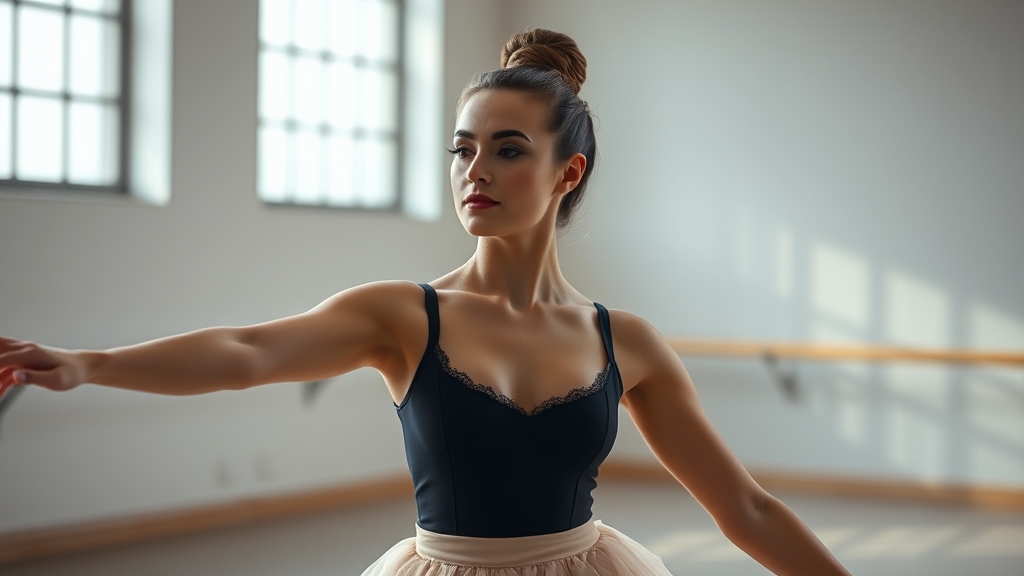
Besides the leotard, tights, and shoes, there are a few additional accessories you might consider. A ballet skirt can add a touch of elegance to your outfit and is optional for most classes. Hair should be tied back neatly to prevent it from falling in your face during class. For women, a bun is traditional, while for men, a ponytail or a hair tie can keep the hair out of the face. As you finalize your outfit based on “What to Wear to Your First Adult Ballet Class: A Complete Outfit Guide,” remember that simplicity and comfort are key.
Jewellery and Makeup
- Jewellery: Keep jewellery to a minimum. Avoid anything that could get in the way of your movements or cause injury.
- Makeup: Opt for a natural look. Avoid heavy makeup as it may run or smudge during class.
Preparing for Your First Class
Before your first adult ballet class, it’s a good idea to arrive a little early. This will give you time to change, use the facilities, and get settled before the class starts. Bring a water bottle to stay hydrated throughout the class. If you have any injuries or concerns, inform your instructor beforehand so they can provide modifications or advice. As you prepare based on “What to Wear to Your First Adult Ballet Class: A Complete Outfit Guide,” remember that the goal is to feel comfortable and confident in what you’re wearing.
Conclusion
Choosing the right outfit for your first adult ballet class can seem daunting, but with this guide, you’re well on your way to making informed choices. Remember, the key to a great ballet outfit is comfort, support, and adherence to any studio-specific dress codes. As you embark on your ballet journey, don’t hesitate to ask your instructor or fellow dancers for advice. They can provide valuable insights and tips, from “What to Wear to Your First Adult Ballet Class: A Complete Outfit Guide” to more advanced techniques and ballet culture.
Frequently Asked Questions
-
Q: Do I need to buy a full ballet outfit for my first class?
A: While it’s not necessary to invest in a full professional ballet outfit for your first class, having the basics such as a leotard, tights, and soft ballet shoes will make a significant difference in your comfort and ability to follow the class. -
Q: Can I wear any type of shoe to a ballet class?
A: No, it’s recommended to wear soft ballet shoes or ballet slippers to your class. These shoes are designed to support your feet during ballet movements and are usually required by ballet studios. -
Q: Is there a specific hairstyle required for ballet classes?
A: While there isn’t a strict rule, it’s advisable to keep your hair tied back and out of your face. For women, a bun is traditional and practical, while for men, a neat ponytail or hair tie is suitable. This helps maintain focus on the movements and techniques being taught.

