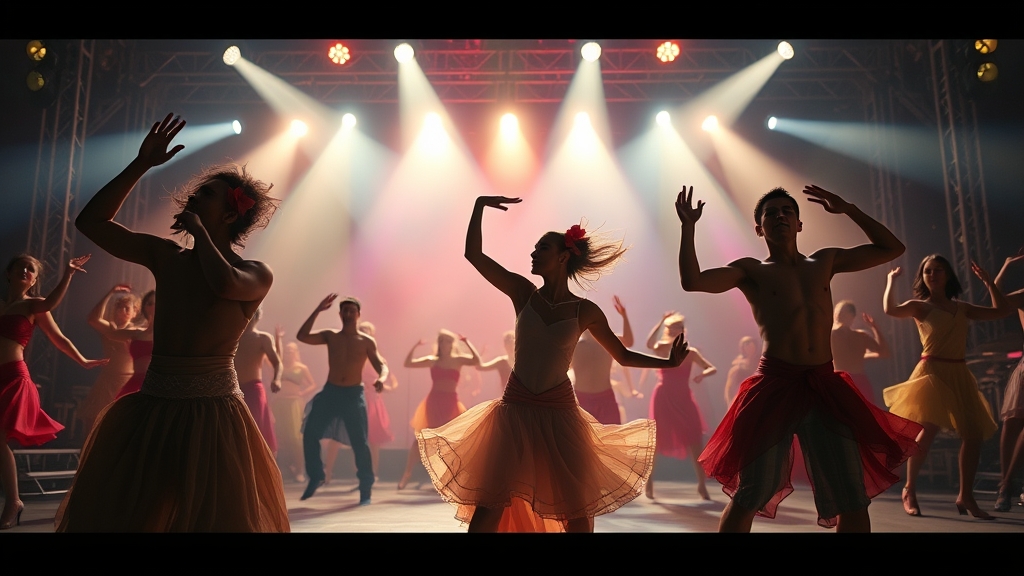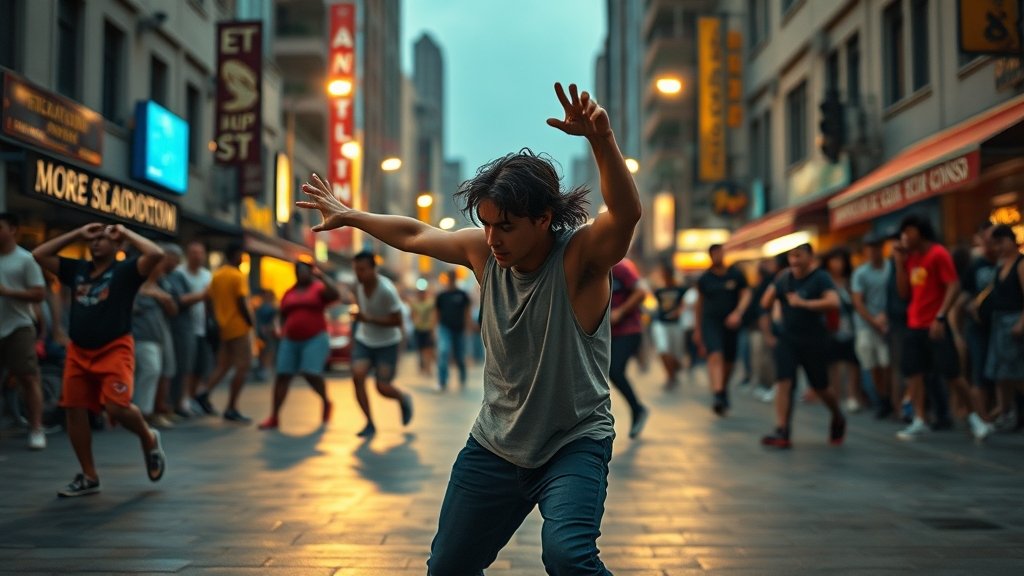
As we delve into the world of dance, it’s exciting to start Exploring Popular Street Dance Styles Around the World. This journey takes us across different continents, immersing us in vibrant cultures and dynamic movements that define the essence of street dance. From the rhythmic beats of Africa to the sleek moves of Asia, and from the energetic vibes of the Americas to the stylish grooves of Europe, Exploring Popular Street Dance Styles Around the World is an adventure that promises to educate, inspire, and entertain. With the rise of social media, these styles have become more accessible, allowing dancers and enthusiasts alike to learn, share, and appreciate the diversity of street dance globally.
Introduction to Street Dance
Street dance, often referred to as vernacular dance, encompasses a broad range of dance styles that have evolved outside the framework of traditional dance techniques. These styles are deeply rooted in the social and cultural contexts of their origins, reflecting the history, music, and lifestyles of the communities from which they emerged. The beauty of street dance lies in its spontaneity, creativity, and ability to adapt, making it a universal language that can be understood and appreciated by people from all walks of life. When Exploring Popular Street Dance Styles Around the World, one can’t help but notice the significant impact these styles have on contemporary dance, music, and fashion, bridging cultural gaps and fostering global unity.
African Roots of Street Dance
Traditional African Dances
African dance is renowned for its energetic and expressive movements, often telling stories of everyday life, rituals, and celebrations. Traditional African dances, such as the Azonto from Ghana and the Coupé-Décalé from Côte d’Ivoire, have laid the groundwork for many street dance styles. These dances are characterized by intricate footwork, body isolations, and rhythmic complexity, reflecting the rich musical heritage of the continent. The influence of African dance can be seen in various street dance styles around the world, particularly in hip-hop and breakdancing, which have borrowed heavily from African movement principles.
Evolution of African Street Dance
The evolution of African street dance is a testament to the continent’s vibrant cultural landscape. With the advent of colonialism and the subsequent influence of Western music, African dance began to incorporate new styles and rhythms, giving birth to unique fusion styles. For instance, the emergence of Afrobeats, a genre that blends traditional Yoruba music with jazz, fuji, and hip-hop, has inspired a new wave of street dance in Africa. Exploring Popular Street Dance Styles Around the World reveals how African dance continues to play a pivotal role in shaping global street dance culture, with its infectious rhythms and dynamic movements captivating audiences worldwide.
Asian Influences on Street Dance
Traditional Asian Dances
Asia, with its diverse array of cultures, has contributed significantly to the world of street dance. Traditional dances like the Kabuki from Japan, the Bharatanatyam from India, and the Lion Dance from China, have influenced the development of contemporary street dance styles in Asia. These traditional forms are known for their grace, precision, and storytelling ability, elements that have been incorporated into modern street dance genres. The emphasis on discipline, technique, and expression in traditional Asian dances has laid a solid foundation for the evolution of street dance in the region.
Contemporary Asian Street Dance
Contemporary Asian street dance is a melting pot of traditional and modern styles, reflecting the region’s rapid cultural and economic changes. Styles like Popping and Locking, which originated in the United States, have been adopted and adapted by Asian dancers, who have infused these styles with their own unique flavor and flair. The popularity of K-pop, with its highly choreographed music videos and live performances, has also played a significant role in promoting Asian street dance globally. When Exploring Popular Street Dance Styles Around the World, it becomes evident that Asian street dance is not only a form of self-expression but also a means of cultural exchange and collaboration.
American and European Street Dance
Hip-Hop and Breakdancing
The Americas, particularly the United States, have been instrumental in the development of global street dance culture. Hip-hop, which originated in the 1970s in New York City, is one of the most influential street dance styles worldwide. Breakdancing, a component of hip-hop culture, involves intricate footwork, spinning, and flipping, requiring great strength, flexibility, and coordination. The evolution of hip-hop and breakdancing has been documented through films, music videos, and social media, making these styles accessible to a broad audience and inspiring new generations of dancers.
European Street Dance Scene
Europe has its own vibrant street dance scene, with styles like House and Voguing gaining popularity. These styles, which originated in the clubs of New York City, have been embraced by European dancers, who have added their own twist and creativity. The European street dance scene is characterized by its diversity, with dancers often blending different styles to create something unique. Festivals and competitions, such as the Juste Debout in Paris, have become platforms for dancers to showcase their talents, exchange ideas, and push the boundaries of street dance.
Tips for Learning Street Dance
For those interested in Exploring Popular Street Dance Styles Around the World and learning these styles, here are a few tips:
- Find a Community: Joining a dance community or finding a dance crew can be incredibly motivating and helpful in learning new styles.
- Practice Regularly: Consistency is key when it comes to improving your dance skills. Set aside time each day to practice, even if it’s just for a few minutes.
- Watch and Learn: Observing professional dancers, either in person or through videos, can provide valuable insights into technique and style.
- Stay Flexible: Street dance often requires a good level of flexibility and strength. Incorporating stretching and strength training into your practice can help improve your overall dance ability.
Conclusion
Exploring Popular Street Dance Styles Around the World is a journey that not only introduces us to the diversity of dance cultures but also highlights the universal language of dance. Through its ability to transcend borders and cultures, street dance has become a powerful tool for expression, communication, and unity. Whether you’re a seasoned dancer or just beginning your dance journey, Exploring Popular Street Dance Styles Around the World offers a wealth of inspiration, knowledge, and entertainment, inviting everyone to join in the celebration of movement and music.
Frequently Asked Questions
- What are the most popular street dance styles around the world?
The most popular street dance styles vary by region but include Hip-Hop, Breakdancing, Popping, Locking, and Voguing, among others. Exploring Popular Street Dance Styles Around the World can help you discover more about these and other styles. - How can I learn street dance if I have no prior dance experience?
Learning street dance with no prior experience requires patience, dedication, and practice. Starting with basic classes or workshops and gradually moving to more complex styles can be a good approach. Online tutorials and dance communities can also provide valuable resources and support. - What role does music play in street dance?
Music is essential to street dance, providing the rhythm, beat, and inspiration for movement. Different genres of music, from hip-hop and rap to electronic and pop, have influenced the development of various street dance styles. When Exploring Popular Street Dance Styles Around the World, it’s clear that music and dance are intricately linked, each influencing the other in a beautiful cycle of creativity and expression.